
How Your Choice of Swag is Quietly Sabotaging Your Brand Loyalty

Sustainability isn't a checkbox on a CSR report or a buzzword for the annual meeting; it is a high-stakes metric of operational integrity. We’ve moved past performative greenwashing into an age of transparency, where the physical objects you hand out act as a direct reflection of your corporate soul.
The Trust Gap: 49% of Your Audience is Judging You
Our consumers have a built-in radar for authenticity that is sharper than ever. According to the PPAI Product Power 2026 report, nearly 49% of consumers say a brand’s environmental commitment directly dictates their level of trust.
Trust is the hardest currency to earn and the easiest to devalue. A flimsy, single-use plastic gadget doesn’t say "Thanks for coming." It says, "We are out of touch with the world you live in."
The Psychology of Premium
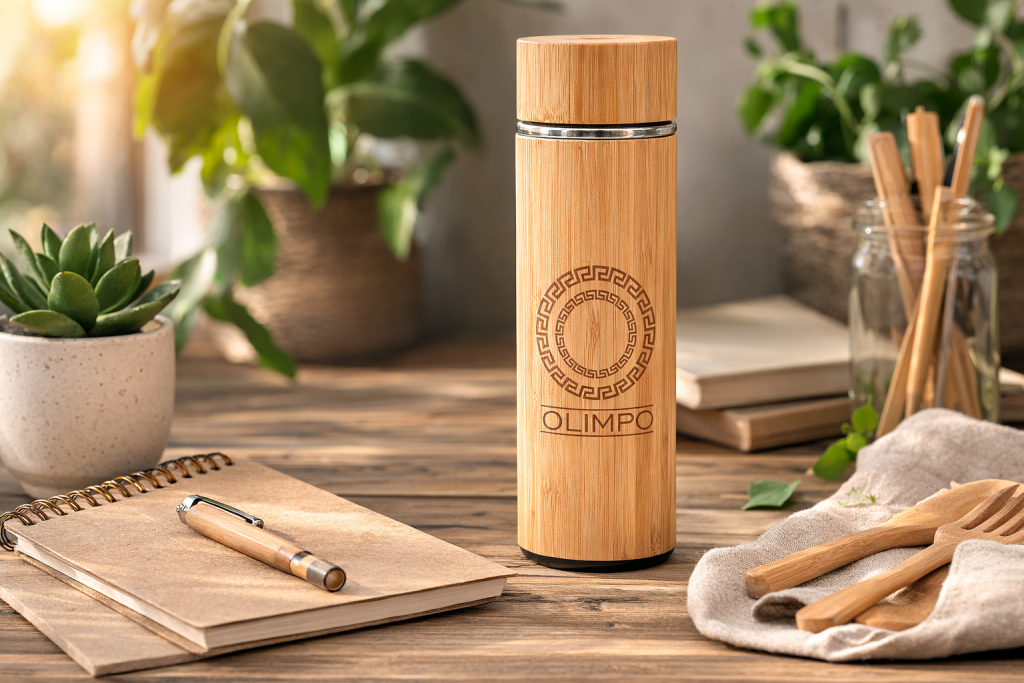
Eco-conscious procurement isn't just an ethical crusade; it’s a masterclass in behavioral psychology. Consumers no longer see sustainability as a compromise because they see it as a status symbol.
Research from PPAI indicates that 68% of consumers identify recycled or reusable materials as their top sustainability preference and that 73% of consumers use branded bottles or tumblers daily. According to the Hilton 2026 Trends Report, 75% of people value gifts that remind them of meaningful moments, often sharing these high-quality items with friends and family.
When an item is built to last, it doesn't just sit in a suitcase; it starts a conversation at the dinner table. When an item is built to last, it doesn’t end up in a hotel wastebasket. It starts a conversation at the dinner table. If it’s durable, it’s meaningful. If it’s meaningful, it’s marketing.
Operationalizing Responsibility
For procurement teams, the "Why" is settled. The "How" is the new challenge. How do you source sustainably without blowing the budget or sacrificing efficiency?
The 2026 American Express Meetings & Events Forecast highlights that sustainability is now a top-three global priority. Procurement is no longer about finding the lowest unit cost; it’s about protecting the total cost of brand reputation.
The Modern Staples:
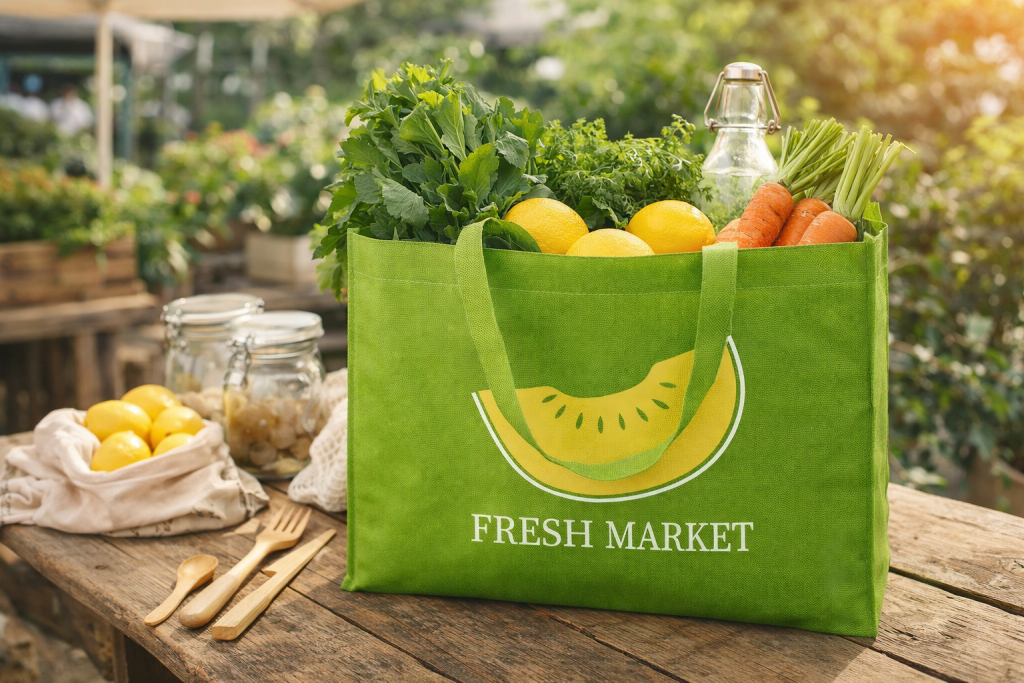
- The Replacement: Items like the AnyPromo Celebration Shopping Non-Woven Tote (made with 10% post-consumer recycled content) are replacing single-use plastics with long-term visibility.
- The Digital Bridge: By printing QR codes on recycled drinkware or eco-friendly journals, brands can tell their story without the paper waste. One scan takes the recipient to a landing page detailing the item’s origin and impact. No flyer, no filler, just facts.
The Strategic Mandate: The Medium is the Message
Leadership must recognize a simple truth: your brand is what you leave behind. By prioritizing recycled materials and designing for longevity, you move from being a source of clutter to a source of value.
In the high-stakes world of marketing, the most efficient choice is the one that stays out of the landfill and in the customer's hand. After all, the only thing better for your ROI than a repeat customer is a repeat customer who actually trusts you.